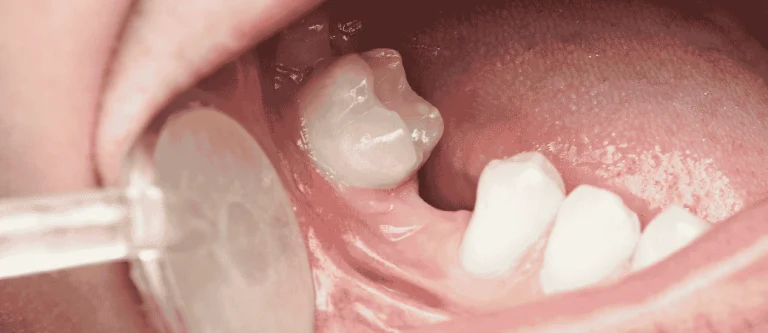

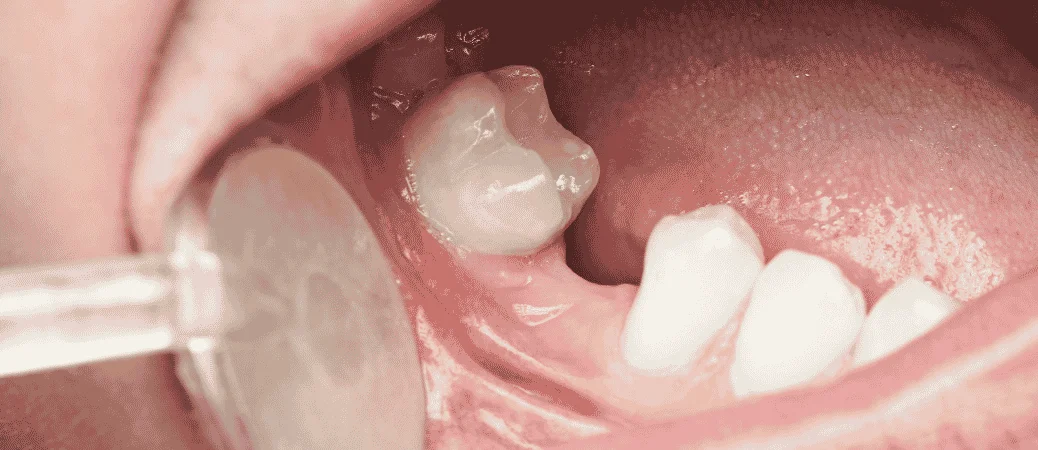
Losing a tooth can happen for many reasons, from injury to decay. When it happens, you might wonder how quickly you need to act.
The best time to replace a missing tooth is within the first few months after tooth loss, but it’s rarely too late to get treatment even if years have passed.
Waiting to replace a missing tooth isn’t harmless. Your mouth works as a connected system, and when one tooth goes missing, the surrounding teeth can shift.
Your jawbone can also start to shrink without the stimulation from a tooth root. These changes can affect your bite, your appearance, and your overall oral health.
The good news is that modern technology offers multiple tooth replacement options that can work for most people, regardless of how long they’ve waited.
Whether you lost a tooth last month or several years ago, understanding what happens during the waiting period can help you make the right choice for your smile.
Key Takeaways
- Replace a missing tooth within a few months to prevent bone loss and teeth shifting
- Delaying tooth replacement can lead to jawbone shrinkage, bite problems, and changes in facial appearance
- Treatment options like dental implants are usually still possible even after years of waiting
Table of Content
- What Happens When a Tooth Goes Missing
- Consequences of Delaying Tooth Replacement
- How Long Is Too Long? Timing and Clinical Considerations
- Tooth Replacement Options Compared
- Overcoming Barriers and Planning for Long-Term Success
- Frequently Asked Questions
What Happens When a Tooth Goes Missing
When you lose a tooth, changes begin almost immediately in your mouth. Your jawbone starts to lose density without the tooth root, nearby teeth begin shifting position, and your gums become more vulnerable to infection.
Immediate Effects on Your Smile and Function
The moment you lose a tooth, you’ll notice changes to how your mouth works. If the missing tooth is visible when you smile or talk, it affects your appearance right away.
You might feel self-conscious about the gap and find yourself hiding your smile in social situations.
Your ability to chew food properly changes too. You may start favoring one side of your mouth, which puts extra stress on those teeth. This uneven chewing can lead to jaw pain and discomfort over time.
Speech problems can develop when front teeth are missing. You might notice lisping or whistling sounds when forming certain words.
Even back teeth play a role in how you pronounce sounds, so losing any tooth can affect how clearly you speak.
The Timeline of Bone Loss and Jawbone Changes
Bone loss in your jaw begins within the first few months after losing a tooth. The jawbone needs stimulation from the tooth root to stay healthy. Without this stimulation, your body starts to reabsorb the bone in that area through a process called bone resorption.
Bone Loss Timeline:
- First 3 months: Initial bone loss begins
- 3-6 months: Noticeable decrease in bone density
- First year: Up to 25% of bone width can be lost
- Long-term: Continued gradual bone loss year after year
The jawbone shrinks and weakens over time when tooth loss goes untreated. This affects the stability of nearby teeth and can change the shape of your face. Your cheeks may start to look sunken, and your face can appear older than it actually is.
If you wait too long, the bone loss can become so severe that you’ll need a bone graft before getting a dental implant. This adds extra time and cost to your treatment.
Shifting and Over-Erupting Teeth
Your teeth stay in position because of pressure from neighboring teeth. When one tooth goes missing, the teeth next to the gap start drifting toward the empty space.
This shifting of surrounding teeth happens gradually over months and years.
The tooth above or below the missing tooth can also over-erupt. It extends further out of the gum because nothing is there to stop it. This creates bite problems and makes your teeth harder to clean properly.
These movements lead to:
- Crowding in other areas of your mouth
- Gaps between teeth that weren’t there before
- Bite misalignment that affects how your upper and lower teeth meet
- Increased wear on certain teeth from uneven pressure
Once your teeth shift out of position, fixing the problem becomes more complicated and expensive.
Gum and Oral Health Complications
The empty space left by your missing tooth becomes a problem area for your gums. Food particles and bacteria collect in the gap more easily. This makes you more likely to develop gum disease in that area.
Without proper tooth structure, your gums don’t get the support they need. Gum health deterioration happens as plaque builds up around the gap. The gums can become inflamed, red, and tender.
Periodontal disease can spread from the area of the missing tooth to other parts of your mouth. This infection doesn’t just threaten your oral health.
Research shows connections between gum disease and heart disease, diabetes, and other health conditions throughout your body.
The longer you wait to replace the tooth, the more difficult it becomes to keep the surrounding area clean and healthy.
Missing a tooth in Winterville, NC? Schedule your tooth replacement consultation at Beacon Dental.
Consequences of Delaying Tooth Replacement
Missing teeth create a chain reaction of problems that affect how you eat, speak, and look. These changes happen gradually, but they can significantly impact your daily life and long-term oral health.

Bite Problems and Chewing Efficiency Issues
When you lose a tooth, your remaining teeth start shifting into the empty space. This movement throws off your bite alignment and makes it harder to chew properly.
Your chewing function depends on all your teeth working together. Without one tooth, the others must work harder to break down food. This puts extra stress on your jaw joints and can cause pain or clicking sounds when you eat.
Delaying tooth replacement reduces your chewing efficiency by up to 50% for each missing tooth. You might find yourself avoiding certain foods like steak, apples, or nuts because they’re too difficult to chew.
This can limit your diet and affect your nutrition.
The teeth next to the gap often tilt or drift over time. The tooth above or below the missing one may also start to move down or up into the space.
These shifts create an uneven bite that can lead to jaw pain, headaches, and worn-down teeth.
Speech Changes and Facial Appearance
Your teeth play a key role in forming certain sounds, especially “s,” “th,” and “f” sounds. A gap in your smile can cause whistling, slurring, or difficulty pronouncing words clearly.
Front teeth are especially important for speech. If you’re missing a front tooth, other people may notice speech changes right away. Back teeth matter too, though the effects might be less obvious to others.
Beyond speech, missing teeth affect your natural appearance. Your jawbone starts to shrink without a tooth root to stimulate it. This bone loss can make your face look sunken or aged, particularly around your cheeks and lips.
The longer you wait, the more your facial structure changes. Your lips may appear thinner or collapse inward. These changes can make you look older than you actually are and affect your confidence in social situations.
Increased Risk of Further Tooth Loss
One missing tooth sets up a domino effect that puts your other teeth at risk. The teeth surrounding the gap take on extra pressure when you chew, which weakens them over time.
Shifted teeth create new spaces where food gets trapped. These hard-to-clean areas become breeding grounds for bacteria, increasing your risk of gum disease and cavities.
Gum disease is the leading cause of tooth loss in adults.
Your jawbone needs constant stimulation from tooth roots to stay healthy. When you delay replacing a missing tooth, the bone in that area deteriorates.
This bone loss weakens the support for neighboring teeth, making them more likely to become loose or fall out.
The teeth that tilt into the gap become harder to clean properly. They’re also more vulnerable to damage because they’re not in their correct positions.
This creates a cycle where losing one tooth makes it more likely you’ll lose others nearby.
Worried about a missing tooth in Winterville, NC? Contact Beacon Dental for personalized guidance.
How Long Is Too Long? Timing and Clinical Considerations
The first few months after tooth loss are critical for preserving your jawbone, but waiting years doesn’t necessarily mean you’re out of options. The timeline affects treatment complexity, bone preservation, and what types of replacements will work best for your situation.
First Months vs. Waiting Years: What Changes
Your jawbone starts to change immediately after you lose a tooth. In the first three to six months, you’ll experience the most rapid bone loss in the area where your tooth used to be.
This happens because your jawbone needs stimulation from tooth roots to maintain its density.
If you wait several years, the bone deterioration becomes more severe. Your jawbone density decreases significantly, which can limit your replacement options.
Many people who delay treatment eventually need a bone graft before they can get dental implants.
The good news is that it’s rarely too late to replace a missing tooth. However, acting within the first year typically means simpler treatment and better outcomes.
Special Cases: Extraction, Healing, and Temporary Options
After a tooth extraction, you need to wait for the area to heal before permanent replacement. Most dentists recommend waiting 8 to 12 weeks for the site to heal properly.
During this time, you might use a temporary solution like a flipper tooth or removable partial denture.
These temporary options serve two purposes. They fill the gap in your smile and help maintain space for your permanent replacement. A flipper tooth is lightweight and affordable, making it popular for short-term use.
Bone grafting may be needed if you’ve experienced significant bone loss, which adds time and cost to your treatment. The graft needs several months to integrate before you can proceed with an implant.
Does Tooth Location Matter for Timing?
A missing front tooth often needs faster attention than a back tooth. Front teeth are visible when you smile and talk, so most people want them replaced quickly for appearance reasons.
The bone in your front jaw area also tends to be thinner and can deteriorate faster.
Back teeth handle most of your chewing force. When you lose a back tooth, the remaining teeth absorb extra pressure, which can lead to problems like fractured teeth or worn enamel. Replacing missing teeth helps distribute chewing forces more evenly across your mouth.
Front tooth replacement often works well with temporary solutions while you wait for permanent options. Back teeth may not show when you smile, but delaying their replacement can cause neighboring teeth to shift into the empty space.
Tooth Replacement Options Compared
When you’re ready to replace a missing tooth, you’ll find options ranging from $500 flipper teeth to $5,000 dental implants. Each solution differs in durability, comfort, and how well it can prevent bone loss in your jaw.

Dental Implants: The Gold Standard
Dental implants are the best long-term solution for replacing a missing tooth because they work like natural teeth. A titanium post goes into your jawbone and supports a crown on top.
The implant stimulates your jawbone just like a real tooth root would. This is the only tooth replacement option that can prevent bone loss after you lose a tooth. You can lose up to 25% of your bone width in the first year without this stimulation.
Key benefits of implants:
- Last a lifetime with proper care
- Look and feel completely natural
- Don’t require altering nearby healthy teeth
- Preserve your facial structure
The main drawbacks are cost and time. A single implant typically costs between $3,000 and $5,000. The process takes several months because your bone needs time to fuse with the implant.
You’ll also need enough healthy jawbone to support the implant, though advances in dentistry have made implants possible for more patients than ever before.
Dental Bridges and Implant-Supported Bridges
A dental bridge uses your adjacent teeth as anchors to hold a replacement tooth in the middle. Your dentist will reshape the teeth on both sides of the gap and place crowns over them.
These crowns connect to the replacement tooth in the center.
Traditional bridges cost between $1,500 and $3,000 and last 10 to 30 years. You can get one in just two appointments over a few weeks.
The downside is that your dentist must remove enamel from two healthy teeth to place the bridge. Those teeth also face higher risks of decay and damage over time. A bonded bridge is less invasive but only works for front teeth.
An implant-supported bridge solves this problem by anchoring to implants instead of natural teeth. This option costs more but doesn’t harm your healthy teeth. It’s ideal when you’re missing two or more teeth next to each other.
Partial Dentures, Flippers, and Other Temporary Solutions
Partial dentures replace one or more missing teeth using a removable appliance that clips onto your remaining teeth. They cost $1,000 to $3,000 and work well if you’ve lost several teeth but still have some healthy ones left.
You’ll need to remove partial dentures daily for cleaning. They can feel bulky at first and may slip when you eat or speak. The clasps also put pressure on your natural teeth, which can cause problems over time.
A flipper tooth is the cheapest way to replace a tooth, costing just $500 to $2,000. Your dentist can make one in a day or two, making it perfect for temporary use while you wait for a permanent solution.
Flippers break easily and aren’t meant to last more than a few months.
| Option | Cost Range | Lifespan | Time to Complete |
| Dental Implant | $3,000-$5,000 | Lifetime | 3-6 months |
| Dental Bridge | $1,500-$3,000 | 10-30 years | 2-3 weeks |
| Partial Denture | $1,000-$3,000 | 5-10 years | 2-3 weeks |
| Flipper Tooth | $500-$2,000 | Temporary | 1-2 days |
None of these temporary options prevent bone loss the way implants do. Your jawbone will continue to shrink without tooth root stimulation, which can make future dental work more complicated and expensive.
Overcoming Barriers and Planning for Long-Term Success
Many people think they’ve waited too long to replace a missing tooth, but advances in dental procedures make treatment possible even years later.
Understanding your candidacy, available preparatory treatments, and ongoing care strategies helps you move forward with confidence.
Who Is a Good Candidate for Immediate or Delayed Replacement?
You’re likely a good candidate for immediate tooth replacement if you have adequate jawbone density and healthy gums.
Dentists prefer to place implants soon after tooth loss because your bone remains strong and hasn’t started to deteriorate.
However, if years have passed since you lost a tooth, you may still qualify for dental implants. Your dentist will evaluate your jawbone through X-rays and CT scans to determine bone volume.
Patients with chronic health conditions like uncontrolled diabetes or those who smoke may need additional preparation time.
Age isn’t typically a barrier to treatment. Both younger adults and seniors can receive implants successfully. The key factors are your overall oral health, bone quality, and commitment to following treatment protocols.
Good candidates typically have:
- Sufficient bone density or willingness to undergo bone grafting
- Healthy gum tissue free from active disease
- Good overall health and no untreated medical conditions
- Commitment to proper oral hygiene habits
Bone Grafting and Other Preparatory Treatments
Bone grafting can rebuild areas of the jaw where density has decreased after tooth loss. This procedure adds new bone material to your jaw, which gradually fuses with your natural bone over several months.
Your jawbone can lose up to 25 percent of its density within the first year after losing a tooth. If you’ve waited longer, you may experience more significant jawbone loss that requires grafting before implant placement.
The bone grafting process typically takes 3-6 months to heal properly. During this time, the new bone integrates with your existing jawbone to create a stable foundation.
Some patients also need sinus lifts if upper back teeth are being replaced, or ridge expansions to widen narrow jaw areas.
While these preparatory treatments extend your overall timeline, they make dental implants possible for patients who thought they had waited too long to replace missing teeth.
Maintaining Oral Health After Tooth Loss

You need to protect your remaining teeth and gums while planning your long-term solution. Brush twice daily and floss carefully around the gap to prevent gum disease from developing.
Delaying tooth replacement can cause your surrounding teeth to shift, which affects your bite alignment.
Wearing a temporary partial denture or flipper can help maintain spacing until you’re ready for permanent treatment.
Visit your dentist every six months for cleanings and checkups. These appointments let your dental team monitor bone changes and address any concerns before they become serious problems.
Essential oral health practices include:
- Brushing gently along the gum line where the tooth is missing
- Using an antibacterial mouthwash to reduce bacteria
- Eating a balanced diet rich in calcium and vitamin D
- Avoiding hard foods that could damage adjacent teeth
You should also avoid chewing primarily on one side of your mouth, which can lead to jaw problems and accelerate bone loss in the empty socket.
Frequently Asked Questions
Acting quickly to replace a missing tooth helps prevent bone loss and shifting teeth. The cost and timing of replacement varies based on the option you choose and your oral health.
How soon should I replace a tooth after it’s been removed?
You should replace a missing tooth as soon as possible to prevent complications. Within the first year after losing a tooth, you can lose up to 25% of the supporting bone width in that area.
Your other teeth will start shifting into the empty space within weeks or months. The teeth next to the gap will lean inward, and the tooth above or below it will begin to move out of position.
Starting the replacement process right away gives you the best chance for a successful outcome. Your dentist can create a treatment plan during your consultation visit.
Is there a point where it becomes too late to get a dental implant?
It’s rarely too late to get a dental implant, but waiting too long can make the process more difficult and expensive. When you delay treatment, your jawbone shrinks where the tooth root used to be.
If too much bone is lost, you may need a bone graft before an implant can be placed. This adds extra time and cost to your treatment plan.
Recent advances in dental technology have made implants possible for more people. Your dentist can evaluate your bone density and discuss whether you need additional procedures.
What can happen to my other teeth and jawbone if I leave a gap for too long?
Your remaining teeth will experience more pressure and force when you chew. This causes them to wear down faster and increases your risk of fractures and breaks.
The jawbone in the empty space will shrink without stimulation from a tooth root. This bone loss can change the shape of your face over time and make future tooth replacement harder.
Adjacent teeth will drift into the gap, and the opposing tooth will keep erupting out of the gums. This movement can become so severe that the tooth loosens and you could lose it too.
What are my options for replacing a single missing tooth?
Dental implants are the best option for replacing a missing tooth because they’re permanent and look natural. They can last your entire lifetime with proper care.
A dental bridge is another long-term solution that replaces your tooth by connecting to the healthy teeth on either side. Bridges typically last between 10 and 30 years before needing replacement.
A flipper tooth is the most affordable temporary option if you need something quickly. Partial dentures can also replace one or more missing teeth at a lower cost than implants or bridges.
How much does it usually cost to replace one missing tooth with an implant or bridge?
A single dental implant typically ranges from $3,000 to $5,000 depending on how many procedures you need. The treatment takes several months because the bone needs time to heal around the implant.
A 3-unit bridge costs between $1,500 and $3,000 and can be completed in just two appointments. This makes bridges a faster and more affordable option than implants.
Your dental insurance may cover part of the cost for either option. Many dental offices also offer payment plans and financing options to help you spread out the expense over time.
Are dental implants a good option for someone in their 70s?
Dental implants can work well for people in their 70s as long as they’re in good overall health. Age alone doesn’t disqualify you from getting implants.
Your dentist will check if you have enough jawbone density to support the implant. They’ll also review your medical history to make sure you can heal properly after the surgical procedure.
Many older adults successfully get dental implants and enjoy the benefits of permanent tooth replacement. The key is having healthy gums, adequate bone, and no medical conditions that would prevent healing.