Sound Like Something You Live With?
If any of that feels familiar, there's a stable way forward. Replacing those teeth can return the comfort and confidence you've been missing.
The Cost of Waiting
Jawbone density declines
Bone without tooth stimulation gradually thins, reducing support for future restorations.
Neighboring teeth drift
Teeth tilt toward the open space, changing how your bite fits together.
Treatment grows more involved
Added bone loss often means grafting before implants can be placed.
Chewing strain increases
Remaining teeth absorb extra force and wear down faster over time.
Options begin narrowing
Less available bone limits which restoration choices remain realistic.
Confidence keeps shrinking
Months of hiding your smile turn avoidance into a daily habit.
Acting sooner usually means simpler treatment, less rebuilding, and a stronger result.
How Implant-Supported Bridges Replace Missing Teeth
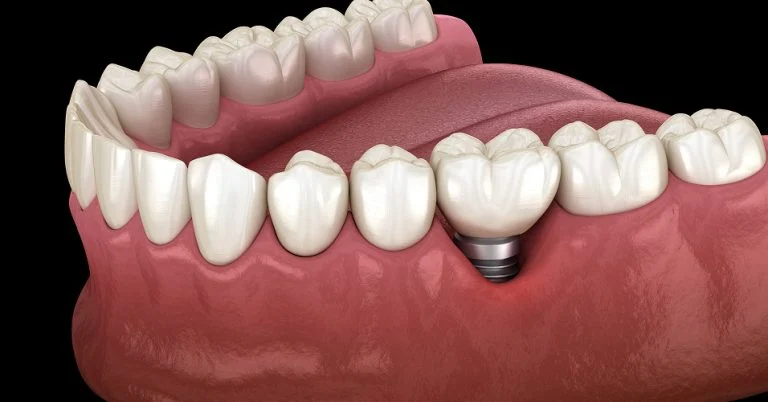
An implant-supported bridge replaces several teeth in a row using titanium posts placed in your jawbone rather than crowns on your natural teeth. The posts fuse with bone over a healing period, creating a foundation that holds the bridge securely in place. Because support comes from below, your healthy adjacent teeth are never prepared, filed, or capped.
Planning happens digitally at Beacon Dental, where cone beam CT scanning produces a 3D view of your teeth, roots, and jawbone before anything begins. That detail lets us assess bone density and map post placement precisely. Patients considering implant-supported bridges in Winterville also benefit from intraoral scanning, which replaces messy clay impressions with comfortable digital images.
Transformations That Last
Dental Implants
2:26
"I've Had Two Implants Done… She Gave Me My Smile Back"
Dental Implants
1:31
From Losing My Entire Bottom Jaw To Fully Functional Again
Be Our Next Success Story!
Request an appointment with our doctor and take the first step toward a healthier smile.
Get Your FREE Dental Implant Pricing Guide + $350 Savings
In the guide, you’ll learn about:
- Dental Implant Options
- Factors That Affect Your Eligibility
- Average Pricing
Benefits of Implant-Supported Bridges
Are Implant-Supported Bridges Right for You?
Not Sure Where You Stand?
What to Expect With Implant-Supported Bridges
Consultation and Imaging
You'll sit down with us to talk through what's bothering you and what you want back. A cone beam CT scan captures a 3D view of your jawbone, roots, and surrounding structures, so nothing is left to guesswork. We'll walk you through the images together. By the end, you'll understand your bone structure and whether an implant-supported bridge fits your situation.
Digital Planning
Using intraoral scanning instead of clay impressions, we capture precise digital images of your teeth and gums. Those scans combine with your 3D imaging to map exactly where each post belongs and how your bridge will fit your bite. You'll see the plan before treatment day arrives, which removes most of the uncertainty patients carry in.
Post Placement
On placement day, your comfort comes first. Nitrous oxide, oral sedation, or IV sedation are all available, so you can choose what puts you most at ease. The posts are positioned according to your digital plan, and most patients report pressure rather than discomfort. You'll leave with clear instructions and our direct line for questions.
Healing and Integration
Over the next three to six months, the posts fuse with your jawbone, forming the stable base your bridge needs. You'll eat softer foods early on and return for brief check-ins so we can confirm healing is on track. Most patients are surprised how normal this stretch feels once the first week passes.
Bridge Placement
Once integration is confirmed, connectors join your posts to a custom bridge designed from your digital scans. We check the fit and adjust until your bite feels natural and even. You'll leave chewing on teeth that are fully secured, with your neighboring teeth exactly as they were when you started.
Ready to Eat and Smile Without Hesitation?
Recovering After Implant-Supported Bridges
First 24-48 Hours
Expect mild swelling and tenderness around the placement sites, which is normal and short-lived. Rest, cool compresses, and soft foods make a noticeable difference. Over-the-counter pain relief or prescribed medication handles discomfort for most patients, and the majority return to desk work within a day or two.
First 1-2 Weeks
Tenderness fades steadily during this stretch, and eating gets easier week by week. Stick with softer foods, keep the area clean as directed, and avoid anything that puts pressure on the site. Most patients tell us they'd stopped thinking about it by the second week.
Long-Term Healing
Over three to six months, the posts fuse with your jawbone quietly in the background while you go about normal life. Brief check-in visits let us confirm progress. There's nothing demanding about this phase, and you'll be eating and speaking comfortably throughout.
Questions About Recovery? We're Here to Help.
Flexible Payment Plans for Your Smile
Don't Wait to Smile. Check Out Our Payment Options.
Implant-Supported Bridge FAQs
How is this different from a traditional bridge?
How many teeth can one bridge replace?
Does placement hurt?
Why does healing take months?
Will I be without teeth while I heal?
What if I've lost bone in that area?
How long will it last?
Is caring for it complicated?
Am I too old for this?
Are payment options available?
Still Have Questions?