Sound Like Something You Deal With?
If any of that sounds familiar, you are not stuck with it. One tooth is very fixable, and the path forward is simpler than most people assume.
What Waiting Actually Costs
Jawbone Slowly Thins Out
The bone under an empty space loses stimulation and gradually shrinks without a replacement.
Nearby Teeth Start Drifting
Neighboring teeth tilt toward the gap, changing how your bite lines up.
Treatment Grows More Involved
Lost bone often means adding a grafting step before an implant can be placed.
Your Bite Works Harder
Remaining teeth absorb extra force and wear down faster than they should.
Options Get Narrower Later
The longer a gap sits, the fewer straightforward choices remain on the table.
Habits Become Permanent
Chewing on one side and hiding your smile stop feeling like adjustments.
Acting sooner usually means a simpler treatment and a stronger, faster result.
How a Single Dental Implant Works
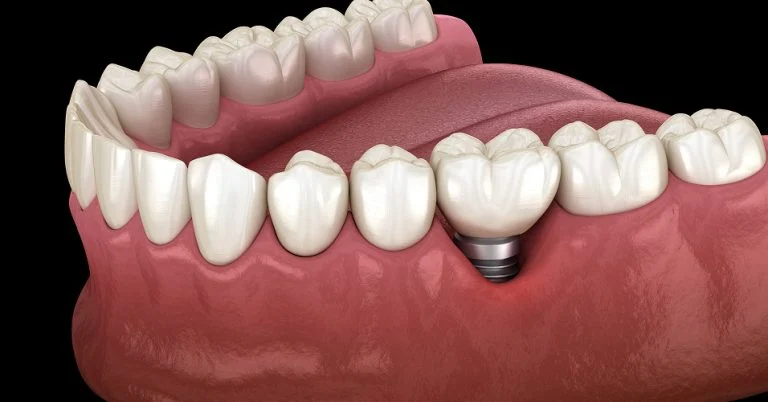
A single dental implant replaces one missing tooth from the root up. It has three parts: a titanium post placed in the jawbone, an abutment (connector piece between the post and the crown), and a custom crown on top. Over three to six months, the post fuses with your jawbone, creating a bond strong enough to support normal chewing. Because the implant stands on its own, your neighboring teeth stay untouched.
Planning matters more than most patients realize, which is why our team at Beacon Dental maps every case in three dimensions before treatment begins. Our cone beam CT scanner shows your bone density, roots, and nerve pathways, so placement is precise rather than approximated. Patients considering single implants in Winterville get a plan built around their actual anatomy.
Transformations That Last
Dental Implants
2:26
"I've Had Two Implants Done… She Gave Me My Smile Back"
Dental Implants
1:31
From Losing My Entire Bottom Jaw To Fully Functional Again
Be Our Next Success Story!
Request an appointment with our doctor and take the first step toward a healthier smile.
Get Your FREE Dental Implant Pricing Guide + $350 Savings
In the guide, you’ll learn about:
- Dental Implant Options
- Factors That Affect Your Eligibility
- Average Pricing
Benefits of Single Implants
Are Single Implants Right for You?
Not Sure Where You Stand?
What to Expect With Single Implants
Consultation and Scan
You start with a conversation about your goals and a look at the space. A cone beam CT scan creates a detailed three-dimensional view of your bone, roots, and nerve pathways in seconds, with nothing uncomfortable involved. By the end of this visit, you know whether an implant fits your situation and what your treatment would involve.
Your Custom Plan
Using your scan, we map the exact position, angle, and depth for your implant before anything begins. If your bone needs additional support, we walk through that with you now rather than mid-treatment. You leave with a clear plan, a timeline, and answers to the questions you came in with.
Placing the Post
On placement day, the area is fully numbed, and nitrous oxide or oral sedation is available if you would rather relax through it. You feel gentle pressure and movement rather than sharp sensation. The post goes into the planned position, the area is closed, and you head home the same day with a foundation already in place.
Fusing With Your Jawbone
Over the next three to six months, the post bonds with your jawbone naturally. Most patients return to normal routines within a few days and barely think about the site during this stretch. We check progress along the way, so you always know where healing stands and when the final step is close.
Your Final Crown
Once healing is complete, an abutment connects the post to your new crown. Our CEREC system mills the crown in our office and matches it to the shade and shape of your surrounding teeth. You leave with a tooth that looks, feels, and works like the one you lost.
Ready to Stop Working Around That Gap?
Recovering After Your Single Implant
First 24-48 Hours
Expect mild swelling and tenderness around the site, both completely normal. Rest, stick with soft foods, and use over-the-counter pain relief or prescribed medication as directed. Most patients feel steady enough to return to desk work or light routines the next day.
First 1-2 Weeks
Tenderness fades quickly during this stretch, and eating gets easier day by day. Keep the area clean, avoid chewing directly on it, and ease back into your usual foods as comfort allows. By the second week, most patients have stopped noticing the site altogether.
Long-Term Healing
Over three to six months, the post fuses with your jawbone quietly in the background. You live normally through this period with routine brushing, flossing, and regular visits. Each checkup confirms progress and brings your final crown closer.
Questions About Recovery? We're Here to Help.
Flexible Payment Plans for Your Smile
Don't Wait to Smile. Check Out Our Payment Options.
Single Implant FAQs
Does getting a single implant hurt?
How long does the whole process take?
Will my implant look like a real tooth?
Can I get an implant if I have been missing the tooth for years?
How long will a single implant last?
Is a bridge a better choice than an implant?
What if I have limited jawbone?
Do I need to take time off work?
How do I care for a single implant?
Are payment options available?
Still Have Questions?