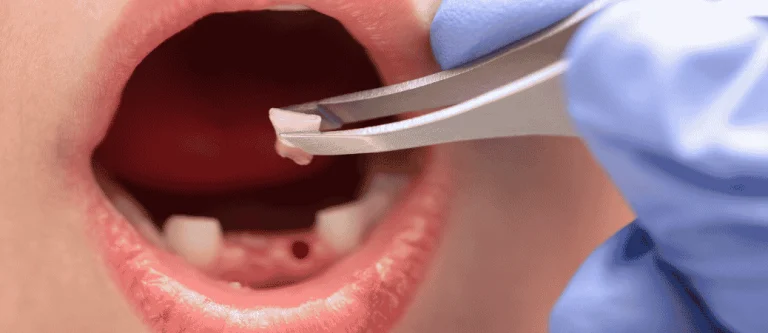


A knocked-out tooth is a scary dental emergency that needs fast action. Whether you tripped during a game, got hurt in an accident, or bit down on something hard, losing a tooth can leave you confused about what to do next.
If you act within 30 to 60 minutes of knocking out a tooth, you have the best chance of saving it.
The steps you take right away make a huge difference in whether your dentist can put the tooth back successfully.
Knowing how to handle the tooth, keep it safe, and get help quickly can mean the difference between saving or losing your tooth for good.
This guide will walk you through exactly what to do when a tooth gets knocked out. You’ll learn how to handle the tooth without damaging it, the best ways to keep it moist before reaching the dentist, and what to expect during emergency dental treatment. Time matters with dental trauma, so let’s cover the steps that could save your smile.
Key Takeaways
- Hold a knocked-out tooth by the crown and rinse it gently if dirty, then try to place it back in the socket or store it in milk
- Getting to a dentist within 30 to 60 minutes gives you the best chance of saving the tooth
- Never touch the root of the tooth and keep it moist at all times until you reach professional care
Rapid Response: First Steps After a Knocked-Out Tooth
When you experience a knocked-out tooth, acting within the first 30 to 60 minutes gives you the best chance of saving it. Your immediate actions can make the difference between keeping your natural tooth or needing a replacement.
Stay Calm and Assess the Situation
Taking a deep breath helps you think clearly during this dental emergency. An avulsed tooth is serious, but panicking won’t help.
Look around to locate your tooth right away. Check your mouth, the floor, and nearby surfaces. Every minute counts when dealing with dental trauma.
Note what happened and how the tooth came out. This information will help your dentist when you arrive for treatment.
Check if the knocked-out tooth is a baby tooth or permanent tooth. Baby teeth should never be replanted, so you won’t need to follow the same steps. For permanent teeth, you need to act quickly to save it.
Find and Handle the Tooth Correctly
Pick up your tooth by holding only the crown, which is the white part you normally see when you smile. Never touch the root portion at the bottom.
Look at the tooth carefully to see if any pieces are broken or missing. Tell your dentist about any damage you notice.
Don’t do these things:
- Scrub or rub the tooth
- Wrap it in tissue or cloth
- Use soap or chemicals on it
- Let it dry out
If dirt is on your tooth, rinse it gently with milk or your own saliva for no more than 10 seconds. Don’t use tap water because it can kill the important cells on the root that help the tooth reattach.
Control Bleeding and Inspect for Additional Injuries
Bite down gently on clean gauze or a damp cloth to control bleeding from the empty socket. Apply steady pressure for about 10 minutes.
Check your mouth for other injuries like cuts to your lips, gums, or tongue. Look at your other teeth to see if any are loose, chipped, or broken.
Feel your jaw carefully to make sure it moves normally and doesn’t hurt in unusual ways. Severe jaw pain could mean a fracture that needs immediate emergency dental care.
If you notice heavy bleeding that won’t stop, severe pain, or signs of a jaw injury, you may need to visit an emergency room before seeing your dentist.
Proper Handling and Cleaning Techniques
How you handle a knocked-out tooth can determine whether it can be saved. The root surface contains delicate cells that need protection to allow the tooth to reattach successfully.

Hold the Tooth Only by the Crown
When you pick up a knocked-out tooth, always grab it by the white part that normally shows in your mouth. This is called the crown. Never touch the root, which is the pointed part that sits below the gum line.
The root surface is covered with a thin layer of tissue called the periodontal ligament. This tissue contains living cells that help your tooth attach back to the bone.
When you touch the root, you can damage or kill these cells. Even gentle touching with your fingers can harm them.
If you accidentally drop the tooth, pick it up by the crown again. Keep your hands away from the root no matter what. This simple step protects the cells that give your tooth the best chance of surviving.
Do Not Scrub the Tooth
You might see dirt or debris on a knocked-out tooth and feel tempted to clean it thoroughly. Do not scrub the tooth with your fingers, a towel, or any cleaning tool. Scrubbing removes the periodontal ligament cells that you need to keep intact.
These delicate root cells are essential for proper reimplantation success. Even light scrubbing can destroy them. The tissue may look thin or almost invisible, but it plays a critical role in helping your tooth reattach to your jaw.
If the tooth looks dirty, resist the urge to make it spotless. Your dentist has the proper tools and knowledge to clean it safely if needed.
Gentle Rinsing Methods
If your tooth has visible dirt or debris, you can rinse it very gently. Hold the tooth by the crown and rinse it in milk, saline, or saliva. Do not use tap water, which can damage the root cells.
Use a slow, gentle stream or dip the tooth briefly in the liquid. The rinse should last no more than 10 seconds. Do not rub the tooth while rinsing it.
Safe rinsing liquids:
- Milk (whole or low-fat)
- Saline solution
- Your own saliva
After a quick rinse, move immediately to the next step of either putting the tooth back in its socket or storing it properly. Time matters more than having a perfectly clean tooth.
Tooth Preservation Prior to Professional Care
Keeping the tooth moist and protecting the delicate cells on its root are the most important steps you can take before reaching a dentist. The periodontal ligament cells on the tooth’s root die quickly when they dry out, so you need to act within 30 minutes.
Reinsert Into the Socket If Possible
The best place to keep your tooth is right back in its original socket. Pick up the tooth by the crown, which is the white part you use for chewing. Never touch the root or the bottom part of the tooth.
If the tooth has dirt on it, rinse it gently with water for no more than 10 seconds. Don’t scrub it or use soap.
Try to push the tooth back into the empty socket as gently as you can. You can use your fingers to guide it in by holding the crown.
If it doesn’t want to go in easily, position it over the socket and slowly close your mouth to help it slide into place.
Once the tooth is back in the socket, hold it there with light pressure from your finger or by biting down gently. Keep it in place until you reach the dentist.
Use a Tooth Preservation Kit or Save-A-Tooth
A tooth preservation kit like Save-a-Tooth offers the best storage solution when you can’t put the tooth back in your mouth. These kits contain a special liquid that keeps the periodontal ligament cells alive for several hours.
The solution in these kits has the right balance of nutrients and pH levels that your tooth needs. This gives you more time to get professional help without worrying about the cells dying.
You can keep Save-a-Tooth kits at home, in your car, or in sports bags. They’re especially useful for families with kids who play contact sports or anyone at higher risk for dental injuries.
Alternative Storage: Milk, Saliva, or Cheek
If you don’t have a preservation kit, milk works as an excellent storage option because it has the right pH level and proteins to protect the root cells. Use cold milk straight from the refrigerator if you can.
Place the tooth in a small cup or container filled with milk. Make sure the entire tooth stays covered by the liquid.
Your mouth is another good storage spot if you can’t find milk or a preservation kit. Tuck the tooth between your cheek and gums, or hold it under your tongue. Your saliva will keep it moist and protected.
Be careful not to swallow the tooth if you’re storing it in your mouth. This method works best for older kids and adults who understand the importance of keeping the tooth in place.
What to Avoid When Preserving a Tooth
Don’t use tap water to store your knocked-out tooth. Tap water has chemicals and the wrong salt balance that can kill the periodontal ligament cells within minutes.
Never wrap the tooth in a tissue, paper towel, or cloth. These materials will dry out the tooth and absorb the moisture it needs to survive.
Don’t scrub, brush, or try to clean the tooth with soap or chemicals. Even gentle scrubbing can damage the delicate cells on the root surface that are needed for successful tooth reimplantation.
Avoid touching or handling the root of the tooth. Your fingers can damage the periodontal ligament cells that help the tooth reattach to your jawbone.
Don’t let the tooth dry out at any point. Even a few minutes of air exposure can reduce your chances of saving the tooth significantly.
Seeking Emergency Dental Treatment Quickly
Time is critical when you have a knocked-out tooth, so you need to contact an emergency dentist within 30 minutes and get there as fast as possible.
The way you communicate with the dental office and transport yourself and the tooth can affect whether the tooth can be saved.

When and How to Contact an Emergency Dentist
Call your regular dentist first, even if it’s after hours. Most dental offices have an emergency line that connects you to someone who can help.
If your dentist isn’t available, search for an emergency dentist in your area or visit an emergency dental clinic.
You should seek emergency dental care immediately for the best chance of saving your tooth. Don’t wait until the next business day. Many dentists reserve time slots for true emergencies like avulsed teeth.
If you can’t reach any dentist, go to an urgent care center or hospital emergency room. While they may not be able to reinsert the tooth, they can help manage pain and provide guidance.
What Information to Provide Over the Phone
When you call the dental office, clearly state that you have a knocked-out tooth and need immediate help. Mention how long ago the tooth was knocked out, since timing matters for successful replantation.
Tell them whether the tooth is:
- Still in the socket (pushed back in)
- Stored in milk or saliva
- Clean or dirty
- A permanent or baby tooth
Describe any other injuries to your mouth, face, or head. Let them know if you’re bleeding heavily or if you suspect a broken jaw. This information helps the emergency dental care team prepare for your arrival.
Transport Tips for You and the Tooth
Get to the dentist as quickly as possible, ideally within 30 to 60 minutes. Have someone else drive you if possible, especially if you’re in pain or shock from the dental emergency.
Keep the tooth moist during transport by storing it in milk, your saliva, or between your cheek and gum. Never let it dry out. If you placed the tooth back in its socket, hold it gently in place with your finger or by biting down on clean gauze.
Bring any tooth fragments you can find, even small pieces. The dentist may be able to use them.
What to Expect at the Dentist and Long-Term Outcomes
Your dentist will examine the tooth and socket to determine if reimplantation is possible, then create a treatment plan based on how quickly you arrived and the condition of your tooth.
The process involves securing the tooth in place and monitoring healing over several weeks, with alternative solutions available if the tooth can’t be saved.
The Reimplantation and Splinting Process
When you arrive at the emergency dentist, they’ll first assess whether your tooth can be saved. If you’ve already placed it back in the socket, they’ll check its position and stability.
Your dentist will clean the socket and tooth if needed, then carefully reinsert the tooth if it’s not already in place. They’ll use a splint to hold your tooth steady, which involves attaching it to the surrounding teeth with a thin wire or composite material. The dentist usually splints the tooth for 7 to 10 days.
If the bone around your tooth was also damaged, you might need the splint for 6 to 10 weeks instead. Your dentist may take X-rays to check the bone and root condition before and after the procedure.
Follow-Up Visits and Recovery
You’ll need several appointments after your tooth reimplantation to monitor healing. Your first follow-up typically happens within a few days to check if the tooth is staying in place properly.
Your dentist will eventually remove the splint once the tooth has stabilized in its socket. All reimplanted teeth eventually need root canal treatment, which your dentist will schedule at the appropriate time during recovery.
During healing, you should eat soft foods and avoid biting down on the affected tooth. Your dentist will give you specific care instructions to follow at home.
Additional X-rays at follow-up visits help your dentist track how well the tooth is reattaching to the surrounding bone and tissue.
Tooth Replacement Solutions if the Tooth Cannot Be Saved

If your knocked-out tooth can’t be saved, you have several replacement options. Dental implants are a popular choice that involves placing a titanium post into your jawbone with a crown attached on top.
Dental bridges offer another solution by using adjacent teeth to support a false tooth in the gap. You might also consider a removable partial denture, which is typically the most affordable option.
Your dentist will discuss which replacement works best based on your age, budget, and oral health. Each option has different benefits, costs, and timelines for completion.
The sooner you address the missing tooth, the better, as gaps can cause your other teeth to shift over time.
Frequently Asked Questions
Acting fast and handling the tooth correctly can make the difference between saving or losing it. The first 30 minutes are critical for successful tooth preservation.
How should I handle a tooth that has been knocked out without damaging it?
Pick up the tooth by the crown, which is the white part you normally see in your mouth. Never touch the root of the tooth because it has delicate cells that help it reattach to your jaw.
If the tooth has dirt on it, rinse it gently with water for no more than 10 seconds. Don’t scrub it, use soap, or wrap it in a tissue or cloth.
Keep the tooth moist at all times. Letting it dry out for even a few minutes can kill the root cells and make it impossible to save.
What’s the best way to store a knocked-out tooth while I’m on the way to the dentist?
The best option is to keep the tooth moist with milk or saliva during transport. Milk works better than water because it has the right balance of nutrients and pH to keep the root cells alive.
You can also place the tooth between your cheek and gums or spit into a clean container and put the tooth in your saliva. If you’re worried about swallowing the tooth, use a small container with milk instead.
Don’t use tap water to store the tooth for long periods. Regular water can damage the root cells and lower your chances of saving the tooth.
How soon do I need to see a dentist after a tooth gets knocked out?
You need to see a dentist within 30 minutes for the best chance of saving your tooth. If you act within 30 minutes of losing a tooth, dentists can often put it back in place successfully.
Success rates decrease dramatically after 2 hours, but you should still see a dentist even if more time has passed. Your dentist might be able to achieve partial success or offer other treatments like bridges or implants.
Call your dentist right away and explain that you have a knocked-out tooth. Most dental offices will make room for this type of emergency.
Can I try to put a knocked-out permanent tooth back in myself, and how would I do it safely?
Yes, you can and should try to put your tooth back in its socket right away if you feel comfortable doing it. This is actually the best way to save your tooth.
Hold the tooth by the crown and line it up with the empty socket. Gently push it back into place using light pressure with your fingers or by biting down slowly on a clean cloth.
Once the tooth is back in the socket, bite down gently on a piece of gauze or cloth to hold it in place. Then get to a dentist immediately even though the tooth is back in your mouth.
Don’t force the tooth if it won’t go back in easily. Just keep it moist and get to a dentist as quickly as possible.
What should I do if my child’s tooth gets knocked out during an accident?
First, figure out if it’s a baby tooth or a permanent tooth. Baby teeth should not be put back in the socket because doing so can damage the permanent tooth growing underneath.
If your child has knocked out a permanent tooth, follow the same steps you would for an adult tooth. Handle it by the crown, rinse it gently if needed, and either put it back in the socket or store it in milk.
Keep your child calm and call your dentist right away. Young children might be scared or in pain, so comfort them while you act quickly to save the tooth.
If you’re not sure whether it’s a baby tooth or permanent tooth, keep it moist and let your dentist decide. Permanent teeth usually start coming in around age 6.
What will the dentist likely do when I come in with a knocked-out front tooth?
Your dentist will first check if the tooth is still healthy enough to save. They’ll look at the root and examine your mouth for other injuries.
If you already put the tooth back in, they’ll make sure it’s positioned correctly and clean the area. If the tooth wasn’t reinserted yet, they’ll numb your mouth through dental sedation and carefully place it back in the socket.
The dentist will then stabilize the tooth using a splint, which is a thin wire that connects your knocked-out tooth to the teeth next to it. This splint usually stays in place for one to two weeks while the tooth reattaches.
You’ll need follow-up appointments to check how well the tooth is healing. Your dentist might also recommend a root canal treatment within a few weeks to prevent complications.