

Planning professional teeth whitening before wedding photos takes more than choosing a treatment date.
Scheduling too close to the ceremony may leave little time for temporary sensitivity to settle, while planning ahead gives your dentist time to check your teeth, discuss your goals, and recommend the right whitening schedule.
For most brides and grooms, scheduling Zoom whitening one to two weeks before the wedding offers the best balance of a fresh, settled shade and minimal risk of lingering sensitivity.
That said, the right timing still depends on your dental health, how your teeth respond to whitening, and what your dentist recommends after checking your teeth and gums.
Teeth whitening is one of the easiest ways to feel more confident in your wedding photos, and Zoom whitening is a popular in-office option because it works in a single visit.
But timing it wrong, whether too early or too late, can mean your smile doesn’t look its best when you actually need it to.
Key Takeaways
- Book your Zoom whitening consultation several weeks before the wedding, but plan the actual treatment for one to two weeks out.
- A dental cleaning before whitening and a short buffer afterward help you avoid sensitivity surprises on your wedding day.
- Discuss other appropriate cosmetic options with your dentist if whitening alone may not achieve your goals before the wedding.
When Should You Schedule Zoom Whitening?
Booking early and treating closer to the date is the simplest way to avoid stress. A little planning now means you’re not scrambling to find an open appointment slot the week of your wedding.
How Early Should You Book a Consultation?
Contact your dentist several weeks before your wedding to discuss your whitening goals and preferred treatment date.
Booking early allows time to check for cavities, gum concerns, or existing restorations that could affect your results.
If you are new to Beacon Dental, reviewing the first visit expectations can help you prepare for your initial appointment.
Dr. Kaitlyn Spencer can review your starting tooth shade, sensitivity concerns, and wedding timeline to help you plan treatment.
Why Is One to Two Weeks Before the Wedding a Practical Treatment Window?
Scheduling Zoom whitening around one to two weeks before the wedding may provide time for temporary sensitivity to settle while keeping treatment relatively close to your event. However, this is a planning guideline rather than a fixed clinical requirement.
Your dentist may recommend an earlier appointment based on your teeth, existing restorations, and treatment needs.
When Should You Leave Room for a Touch-Up?
If you have a history of tooth sensitivity or expect additional dental work, discuss an earlier whitening appointment with your dentist.
This leaves more time to evaluate the result and decide whether any further treatment is appropriate before the wedding.
Zoom whitening can often be completed in a single office visit. Follow-up treatment is not always necessary, so ask your dentist whether a touch-up would be appropriate rather than scheduling one automatically.
What Should Happen Before Your Zoom Appointment?
Getting your teeth cleaned and checked before whitening helps the treatment work more evenly and lowers your risk of irritation.
Skipping this step can mean patchy results or discomfort you didn’t expect.

Should You Have a Dental Exam and Cleaning First?
Yes, a professional dental cleaning before whitening removes the plaque and surface buildup that can block whitening gel from reaching your enamel evenly.
A clean, healthy mouth also means your dentist can catch problems, like a cavity or gum irritation, before they turn into bigger issues close to your wedding.
Scheduling a dental cleaning and exam a few days to a week before your whitening appointment gives your teeth a fresh start.
Your dentist can also flag any fillings or restorations on your front teeth that might affect how even your results look.
What Happens During a Zoom Teeth Whitening Appointment?
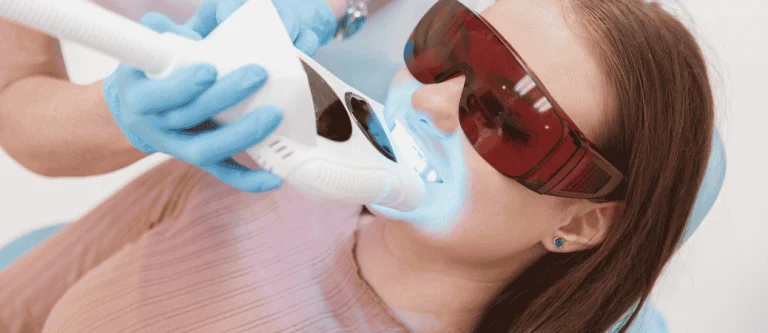
A Zoom Teeth Whitening appointment usually takes about an hour and uses a light-activated whitening gel applied directly to your teeth in the dental chair.
Your dentist monitors the process throughout, which is part of why in-office treatment tends to feel more controlled than at-home kits.
Many people notice a visible difference by the end of a single visit, though results vary by your starting shade and the type of staining you have.
If you have sensitive teeth or previous dental restorations, ask your dentist how the whitening procedure can be adjusted to suit your needs.
How Can You Stay Comfortable and Maintain Your Results?
Mild tooth sensitivity after whitening is common and usually temporary, and a few simple habits can help you manage it.
Protecting your results afterward comes down to what you eat, drink, and how you care for your teeth in the days that follow.
What Helps If Your Teeth Feel Sensitive?
A desensitizing toothpaste may help manage temporary sensitivity before or after whitening. Products containing ingredients such as potassium nitrate or fluoride may be recommended depending on your needs.
Ask your dentist which option is appropriate and when to begin using it.
Avoiding very hot or very cold foods for a day or two after treatment also helps. If sensitivity feels severe or doesn’t improve within a few days, check in with your dentist rather than waiting it out.
You can read more on whether Zoom teeth whitening is safe for sensitive teeth if this is a concern for you.
Which Habits Help Limit Staining Before the Wedding?
After whitening, follow your dentist’s instructions for maintaining your results.
Coffee, tea, red wine, and tobacco can contribute to tooth staining over time, so limiting frequent exposure and maintaining good oral hygiene may help preserve your brighter shade.
However, a strict 48-hour restriction on colored foods and drinks is not supported by consistent clinical evidence.
What If Zoom Whitening Is Not the Right Choice?
Zoom whitening can help brighten natural teeth, but it may not address every cosmetic concern.
A cosmetic dentistry consultation can help you compare appropriate options for tooth color, minor chips, or uneven tooth appearance based on your goals and wedding timeline.
Do Whitening Strips Fit Your Remaining Timeline?
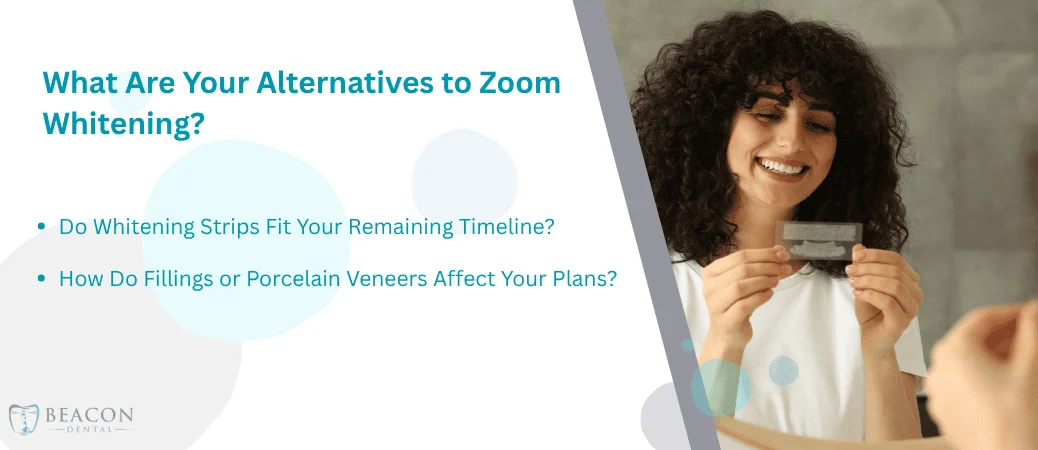
Whitening strips can work if your wedding is further off or your staining is mild, but they take longer to show results than in-office treatment.
Over-the-counter strips use a weaker whitening agent and usually need one to two weeks of daily use to see a difference.
If your wedding is only a few days away, strips likely won’t have enough time to work and may just leave your gums irritated.
They’re a reasonable backup plan if you’re starting a month or more out and want a gentler option.
How Do Fillings or Porcelain Veneers Affect Your Plans?
Whitening gel lightens natural teeth but does not change the shade of fillings, composite bonding, crowns, or veneers.
If you already have restorations on your front teeth, discuss them with your dentist before whitening so you can plan for a consistent final shade.
For a chipped or uneven tooth, dental bonding can provide a tooth-colored repair matched to your smile.
When a damaged tooth requires more extensive restoration, dental crowns and bridges can restore function and appearance using customized materials and shade matching.
Any necessary restoration changes should be planned around the completed whitening result rather than rushed immediately before the wedding.
Give Your Wedding Smile Time to Settle

The timing that works best for most couples starts with booking a consultation four to six weeks out, treating with Zoom whitening one to two weeks before the wedding, and leaving room for a touch-up if sensitivity or staining habits call for one.
A dental cleaning beforehand and a few careful days afterward round out a plan that doesn’t leave much to chance.
None of this requires a perfect smile or a dramatic transformation. It just means giving your teeth enough time to look their best without rushing the process.
If you’re preparing for your wedding, the Beacon Dental team can help you plan Zoom whitening around your schedule, dental health, and cosmetic goals.
If payment timing is part of your planning, you can also review the practice’s financing options before scheduling treatment. Financing eligibility and terms vary by provider.
Frequently Asked Questions
Is one week before my wedding too late for Zoom whitening?
One week may provide enough time for some patients, especially when their teeth and gums are healthy and they do not usually experience sensitivity.
However, booking earlier gives more flexibility if additional dental care is needed. Ask your dentist to assess your timeline before scheduling.
What should I avoid before a Zoom whitening appointment?
Maintain your normal brushing and flossing routine, and tell your dentist about existing sensitivity, cavities, or visible restorations.
A professional cleaning may be recommended if plaque or surface buildup is present. You do not need to follow a strict diet before whitening unless your dentist advises it.
How painful is Zoom whitening?
Zoom whitening isn’t typically painful, though some people notice mild, temporary sensitivity to hot or cold during or after treatment. This usually fades within a day or two and can be eased with desensitizing toothpaste.
Do I have to avoid coffee for 48 hours after Zoom whitening?
You do not necessarily need to avoid coffee for exactly 48 hours after Zoom whitening. Research has not consistently shown that a strict white diet improves whitening results.
However, frequent consumption of staining drinks can contribute to discoloration over time. Follow your dentist’s specific aftercare instructions.
Will Zoom whitening change the color of my fillings or veneers?
No, whitening gel only affects natural tooth enamel and won’t change the shade of fillings, bonding, or porcelain veneers.
If you have visible restorations on your front teeth, talk to your dentist beforehand so your smile looks even after treatment.