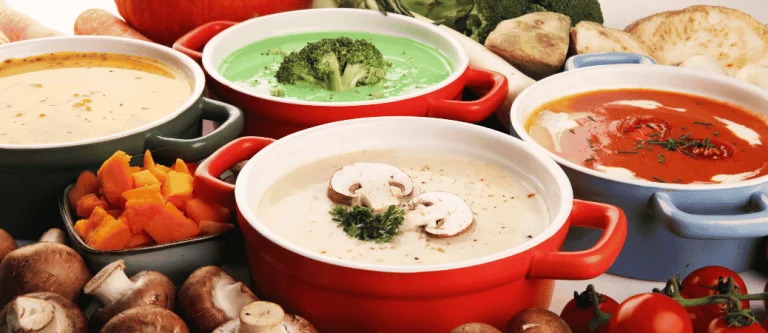


Getting oral surgery can leave you unsure about what to eat next.
The best foods after oral surgery are soft, cool, and easy to swallow, like yogurt, mashed potatoes, and smoothies, since they protect the surgical site while still giving your body the fuel it needs.
Your diet after oral surgery plays a big role in how fast you heal and how comfortable you feel along the way.
In the days after your procedure, your mouth needs gentle care. Choosing the right foods to eat after oral surgery can help reduce swelling, protect stitches, and lower your risk of problems like infection.
A good post-surgery diet is not just about avoiding pain. It also gives your body the nutrients it needs to repair tissue and support healthy healing.
This guide walks you through what to eat after oral surgery, from your first meals to your return to regular food.
You will learn which foods help your gums and bones heal, what to avoid, and simple tips to make your oral surgery recovery easier.
Key Takeaways
- Soft, cool foods help protect your mouth in the first few days after surgery.
- Nutrient-rich foods support healing in your gums and bones.
- Avoiding certain foods and drinks can help prevent pain and complications during recovery.
Start With Liquids and Ultra-Soft Choices
Right after surgery, your mouth needs gentle care and simple foods that ask nothing of it.
Sticking to liquid foods and ultra-soft choices for the first day or two helps protect the surgical site while keeping you hydrated and comfortable.

The First 24 Hours: Protecting the Blood Clot
During the first 24 hours, your top priority is protecting the blood clot that forms in the socket.
This clot stops bleeding and shields the bone underneath, so anything that disturbs it can lead to a painful problem called dry socket.
Stick to cool liquids and smooth foods like yogurt, applesauce, or pudding. Skip anything hot, chewy, or crunchy for now.
Avoid using a straw. The suction can pull the clot loose, even if the food itself is safe. Spoon-feed yourself instead, and take your time with each bite.
Rest as much as you can, too. Your body is focused on healing, and calm, gentle eating supports that process.
Hydrating Drinks and Safe Sipping
Staying hydrated helps your body heal, so keep water nearby and sip it slowly throughout the day. Milk is another gentle option, and it offers protein and calcium that support recovery.
Herbal tea can feel soothing, but let it cool first since hot drinks can irritate healing tissue. Diluted juice is fine in small amounts too.
Smoothies and shakes are great choices as long as you eat them with a spoon instead of a straw. A protein shake blended smooth can give you a nutrient boost without any chewing.
Broth and bone broth are easy on your mouth and provide warmth without heat, plus a little sodium and minerals.
If you try blended soups or pureed soup, let them cool to a lukewarm temperature before eating. A simple vegetable soup, blended until smooth, works well too.
Cold Foods That May Ease Swelling
Cold, soft foods can feel soothing and may help calm swelling around the surgical area. Ice cream is a popular pick, though it’s best in small amounts since sugar can slow healing if you eat too much.
Pudding and custard are gentle, cool options that go down easily. Gelatin, like Jell-O, is another simple choice that requires no chewing at all.
These foods won’t replace the nutrients you need long-term, but they can bring short-term comfort in the early days. Keep portions modest and pair them with more nutrient-rich choices, like yogurt or a smooth soup, throughout the day.
If swelling feels uncomfortable, alternating cold foods with rest and an ice pack on your cheek can help you feel better faster.
Soft, Nutrient-Rich Foods for Recovery
Healing after oral surgery goes faster when you pair soft textures with foods packed full of vitamins and minerals.
From protein-rich meals that rebuild tissue to easy carbs and fruits that soothe your mouth, the right choices can make each day of recovery a little more comfortable.
High-Protein Foods for Tissue Repair
Protein is your body’s main tool for tissue repair and wound healing, so it deserves a spot on your plate every day after surgery.
Soft, protein-packed foods like Greek yogurt and cottage cheese are easy to eat and gentle on your gums.
Scrambled eggs or soft-boiled eggs are another great pick, since they’re smooth, filling, and don’t require much chewing. Tofu is a good plant-based option if you’re looking for variety.
If you’re craving something heartier, soft fish like salmon or ground turkey and shredded chicken can work well once your mouth feels a bit less tender.
These foods also support collagen production, which helps your gums and soft tissue heal properly.
Comforting Carbohydrates and Soft Fruits
Carbs give you the energy you need to recover, and many of the best options are naturally soft and soothing. Mashed potatoes and mashed sweet potatoes are filling, easy to swallow, and simple to make creamy with a little butter or broth.
Soft pasta, oatmeal, and cream of wheat are also great choices, especially if you want something warm and comforting. For fruit, stick with applesauce, mashed banana, or other very ripe, soft fruit that won’t irritate your surgical site.
These soft foods to eat after oral surgery give your body steady energy without putting stress on healing tissue.
Gentle Lunch and Dinner Ideas
By lunch and dinner, you’ll want meals that still fit a soft food diet but feel a little more satisfying. Try blending avocado into a spread, or scoop up hummus with a soft piece of bread for a simple, protein-rich meal.
Pancakes made soft with extra milk or yogurt can double as a comforting dinner option too. Pureed vegetables mixed with a drizzle of olive oil add healthy fats and flavor without any need to chew.
These easy combinations keep your meals nutrient-rich while sticking to a soft foods diet that protects your healing mouth.
Nutrients That Help Gums and Bone Heal
Your body needs the right building blocks to fix tissue and grow new bone after surgery. A few key nutrients do most of the work, and eating them at the right time can make your recovery smoother.
Protein, Vitamin C, and Collagen Production
Protein is the main tool your body uses for tissue repair and healing gums. It helps rebuild the tissue in your mouth after surgery.
Vitamin C works alongside protein to support collagen production. Collagen is the material that holds your gums and bone together, so your body needs a steady supply of it while healing.
Try to include these foods in your meals:
- Soft eggs or egg salad
- Blended chicken or fish
- Citrus fruit (if it does not irritate the area)
- Strawberries or blended berries
- Soft cooked greens
Even small amounts of protein and vitamin C at each meal can help your gums heal faster and more evenly.
Vitamins and Minerals for Wound Healing
Several vitamins and minerals help your body close wounds and fight off infection. Vitamin A helps repair the lining inside your mouth.
Vitamin E can help calm swelling. Zinc plays a big role in wound healing, and low zinc levels can slow the process down.
Iron is also important. It helps carry oxygen to the healing tissue, which speeds up recovery.
Here is a simple guide to where to find these nutrients:
| Nutrient | Helps With | Food Sources |
| Vitamin A | Tissue lining repair | Sweet potatoes, soft carrots |
| Vitamin E | Reducing swelling | Avocado, olive oil |
| Zinc | Wound healing | Eggs, dairy, soft meats |
| Iron | Oxygen delivery | Beans, leafy greens, soft meats |
Healthy fats from foods like avocado and olive oil also help your body absorb these vitamins more easily.
Nutrition Considerations After Dental Implants
If you have had dental implants placed, bone healing becomes just as important as gum healing. Your jawbone needs to fuse with the implant, and that process depends heavily on calcium and vitamin D.
Milk, yogurt, and fortified plant milks are easy ways to get calcium without chewing much. Vitamin D helps your body absorb that calcium, so pairing dairy with a little time outdoors or a vitamin D–rich food can help.
Salmon is a great choice here too. It gives you protein, healthy fats, and vitamin D all in one soft, easy-to-eat food.
Keeping these nutrients steady in your diet can support stronger, more reliable bone healing around your implant.
Foods and Drinks to Avoid While Healing
Some foods and drinks can scratch your gums, pull at your stitches, or knock loose the blood clot that protects your healing socket.
Skipping these choices for the first week or two can help you avoid pain, infection, and a painful problem called dry socket.
Hard, Crunchy, Sticky, and Chewy Textures
Your mouth needs a break from foods that require a lot of chewing or force.
Stay away from crunchy foods like chips and nuts, since sharp edges can cut into tender tissue. Chewy foods, like bagels or tough cuts of meat, can also stretch your jaw too much too soon.
Sticky foods like caramel or gum are a bad idea too. They can pull at stitches or get stuck in the socket, which raises your risk of infection.
Instead, stick with soft foods that need little to no chewing until your dentist gives you the green light to add texture back.
Irritating Temperatures and Flavors
Certain flavors and temperatures can sting the surgery site and slow down healing.
Spicy foods can irritate open tissue and cause a burning feeling. Acidic foods and citrus fruits, like oranges, lemons, and pineapple, can also sting and may even slow clotting.
If you want fruit, choose non-acidic options like bananas or melon instead.
Very hot foods and drinks are another thing to skip. Heat can increase blood flow to the area, which may lead to more swelling or bleeding. Let soups and drinks cool to room temperature before you dig in.
Beverages That Can Interfere With Recovery
What you drink matters just as much as what you eat.
Carbonated drinks, like soda, can create pressure in your mouth that disturbs the blood clot.
Alcohol and alcoholic beverages should also be avoided, since alcohol thins your blood and can slow healing, especially when mixed with pain medication.
Caffeine, including coffee, can also raise your blood pressure and make bleeding more likely in the first few days.
Sugary drinks and foods aren’t off-limits forever, but they can feed bacteria near your stitches, so it’s smart to hold off until the area heals a bit more.
A Safe Progression Back to Regular Meals
Your mouth heals in stages, so your diet should change in stages too. Moving too fast can hurt healing gums, loosen stitches, or dislodge blood clots, while moving too slowly can leave you low on energy when you need it most.
Days 1 to 2: Liquids and Spoonable Foods
Right after surgery, your mouth needs a break from chewing. This is true whether you had a tooth extraction, wisdom teeth removal, gum surgery, or dental implants placed.
Stick to liquid foods and soft, spoonable options for the first two days. Good choices include:
- Smoothies (no straw)
- Broth-based soups
- Yogurt
- Applesauce
- Mashed potatoes
- Pudding or gelatin
Skip anything hot, spicy, or crunchy. Heat can irritate the surgery site, and crunchy bits can get stuck near stitches or disturb a healing blood clot. Sipping through a straw creates suction that can pull the clot loose, so use a spoon or cup instead.
Keep bites small and let food cool a bit before eating. Your comfort level is your best guide here.
Days 3 to 7: Adding Gentle Texture
By day three, most people feel ready to add a little more variety. Swelling usually starts going down around this time, and chewing feels less scary.
You can start easing into a soft food diet with foods that need minimal chewing, like:
- Scrambled eggs
- Well-cooked pasta
- Soft-cooked vegetables
- Ground or shredded meat
- Oatmeal
- Soft bread without crust
Chew away from the surgery site if you can, especially after dental surgery involving stitches. This helps protect the area while it continues to heal.
Still avoid nuts, seeds, chips, and anything sticky or chewy. These can pull at stitches or get trapped in the healing gums, which can slow things down or cause pain.
When to Resume Normal Foods
Most people can return to a regular diet within one to two weeks, but this depends on your specific procedure. Simple extractions tend to heal faster than dental implants or more involved gum surgery.
Watch for these signs that you’re ready:
| Sign | What It Means |
| Little to no swelling | Tissue has calmed down |
| No pain when chewing softly | Site is stable |
| Stitches removed or dissolved | Area is closing properly |
| No bleeding or oozing | Healing is on track |
If you’re unsure, ease back into firmer foods slowly rather than jumping straight to tough or crunchy items. Your dentist or oral surgeon can also give you a personalized timeline based on how your mouth is healing.
Practical Eating Tips for a Smoother Recovery
A few simple habits can protect your blood clot, calm swelling, and keep your stitches in place while you heal. Paying attention to how you eat matters just as much as what you eat.
Use a Spoon Instead of a Straw

Skip straws for at least a week after starting your oral surgery recovery. The suction from a straw can pull the blood clot right out of your socket, which leads to a painful problem called dry socket.
A spoon lets you enjoy smoothies, protein shakes, and soups without any risky suction. Just take small bites and go slow.
This clot protects the bone and nerves underneath your gums, so keeping it in place helps you heal faster. If you love smoothies, blend them thick and eat them with a spoon instead of sipping them through a straw.
Choose Small Meals and Gentle Temperatures
Eating five or six small meals throughout the day is easier on your mouth than three big ones. Smaller portions mean less chewing and less strain on healing tissue near your stitches.
Stick to lukewarm or room-temperature foods and drinks. Hot foods and drinks can raise blood flow to the area, which may make swelling worse. Very cold items can also cause sensitivity, so aim for the middle ground.
A few easy options include:
- Warm (not hot) broth
- Mashed potatoes
- Plain yogurt
- Room-temperature smoothies
Good hydration also helps flush out anesthesia and supports tissue repair, so keep sipping water throughout the day, just not through a straw.
When to Call Your Oral Surgeon
Most people heal without any problems, but it helps to know the warning signs. Call your oral surgeon if you notice:
- Pain or swelling that gets worse after day three
- A foul taste or smell at the surgery site
- A fever
- Stitches that feel loose or torn
- Signs that your blood clot has come loose
These could point to complications that need quick attention.
Trust your gut here. A quick phone call can catch a small issue before it turns into a bigger setback in your recovery.
Frequently Asked Questions
Healing after oral surgery can bring up a lot of questions about food, timing, and what feels safe to eat. Here are answers to some common questions you might have during your recovery.
What are the best soft foods to eat after a tooth extraction?
Right after a tooth extraction, stick to foods that need little to no chewing. Good choices include yogurt, applesauce, mashed potatoes, and blended soups served lukewarm.
Smoothies are also a great option, but skip the straw. Sucking through a straw can pull out the blood clot and slow your healing.
Oatmeal and cream of wheat are gentle on your mouth too. They’re easy to eat and won’t irritate the extraction site.
What foods can help promote healing after oral surgery?
Your body needs certain nutrients to repair tissue and fight off infection. Protein-rich foods like eggs, dairy, beans, and soft cooked meats help repair muscle and bone.
Vitamin C is also important because it helps build collagen, which supports your gums. Citrus fruits and blended greens are good sources, though you may want to avoid citrus if it stings your mouth.
Calcium and vitamin D matter a lot too, especially if you had a dental implant. These nutrients help your bone heal and bond properly.
What should I eat during the first night after oral surgery?
On the first night, choose foods that are cool or lukewarm, not hot. Heat can increase swelling and irritate the surgery site.
Yogurt, applesauce, and cottage cheese are simple options that require no chewing. A protein smoothie without a straw can also give you energy without any discomfort.
Avoid anything crunchy or hard, even if you feel hungry for more. Your mouth needs gentle food for at least the first 24 hours.
What can I eat after oral surgery if I have stitches?
If you have stitches, you’ll want to be extra careful about what touches that area. Stick to soft foods like mashed potatoes, scrambled eggs, and blended soups that won’t get stuck near the stitches.
Avoid small foods like rice, seeds, or crumbs. These can get lodged in the stitched area and cause irritation or even infection.
Chew on the opposite side of your mouth if possible. This keeps pressure and food away from your stitches while they heal.
How long do I need to follow a soft-food diet after oral surgery?
Most people need to eat soft foods for at least a few days to a couple of weeks, depending on the type of surgery. Simple extractions usually heal faster than procedures like dental implants or wisdom teeth removal.
During the first 24 to 48 hours, stick to very soft or liquid foods. After that, you can slowly add more texture as your mouth starts to feel better.
Your dentist or oral surgeon will give you a timeline based on your specific procedure. Always follow their advice since everyone heals at a different pace.
When can I start eating normal foods again after oral surgery?
You can usually start adding more solid foods back into your diet within one to two weeks. Signs that you’re ready include less swelling, less pain, and no more sensitivity in the surgical area.
Start with soft-cooked vegetables, tender meats, and well-cooked pasta before moving to crunchy or chewy foods. Foods like chips, seeds, and hard bread should wait a bit longer since they can still irritate healing tissue.
If you’re unsure, ask your dentist during a follow-up visit. They can check your healing progress and let you know when it’s safe to eat your usual foods again.